
.jpg)

Alexa Kyler
Founder of Everloving Paws | Chief Human & Head of Creative
April 28, 2026
The Psychology of Colors in Pet Food Branding (And What It Means for Your Pet's Next Meal)
Have you ever walked through the aisles at Petco and wondered why so many packages are red and blue - and why pet food brands seem to gravitate toward the same colors over and over again?
It's not a coincidence. It's color psychology, and pet food brands use it intentionally to influence what you pick up off the shelf.
Why Red and Blue Dominate Pet Food Packaging
Red and blue are the two most common colors in pet food branding, and there's a very good reason for that.
Red signals appetite, energy, and urgency. It stimulates appetite, grabs attention, conveys excitement, and drives impulse purchases. Research shows red can increase heart rate and appetite, which makes it ideal for food packaging - not just in the pet industry, but across the entire food industry. In fact, 29% of leading pet food brands use red as their primary brand color.
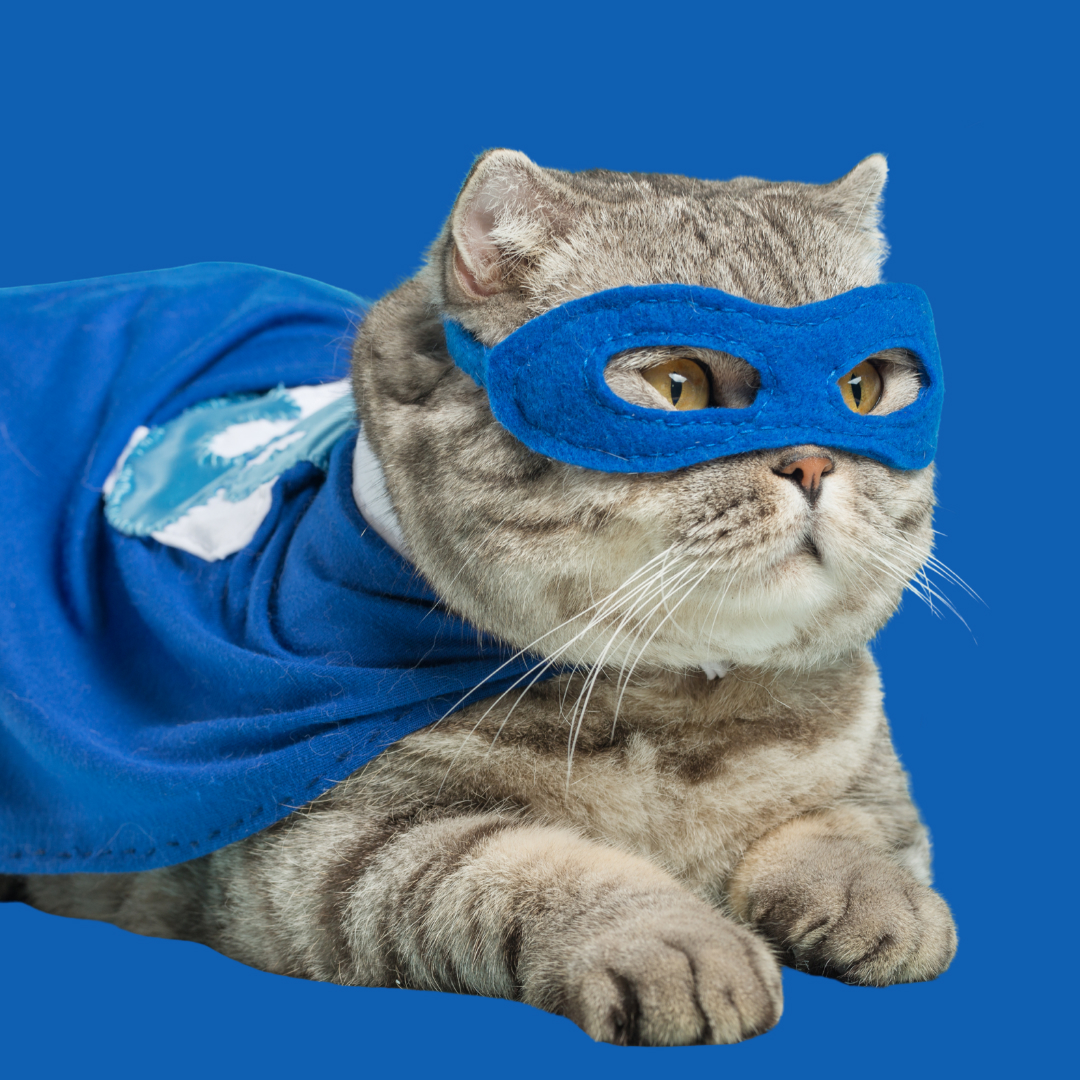
Blue, on the other hand, signals trust, cleanliness, dependability, and quality. It's also the most liked color in the world. Think about Meta or the old Twitter logo - there's a reason why social networks built around connection chose blue as their brand color. In pet food, blue communicates: you can trust us with your pet.
The Full Color Spectrum of Pet Food Branding
But red and blue are just the beginning. Walk down any pet food aisle, and you'll find the full color spectrum at work. Here's what each color is communicating - whether you realize it or not:
- Red - appetite stimulation, urgency, excitement
- Blue - trust, quality, reliability
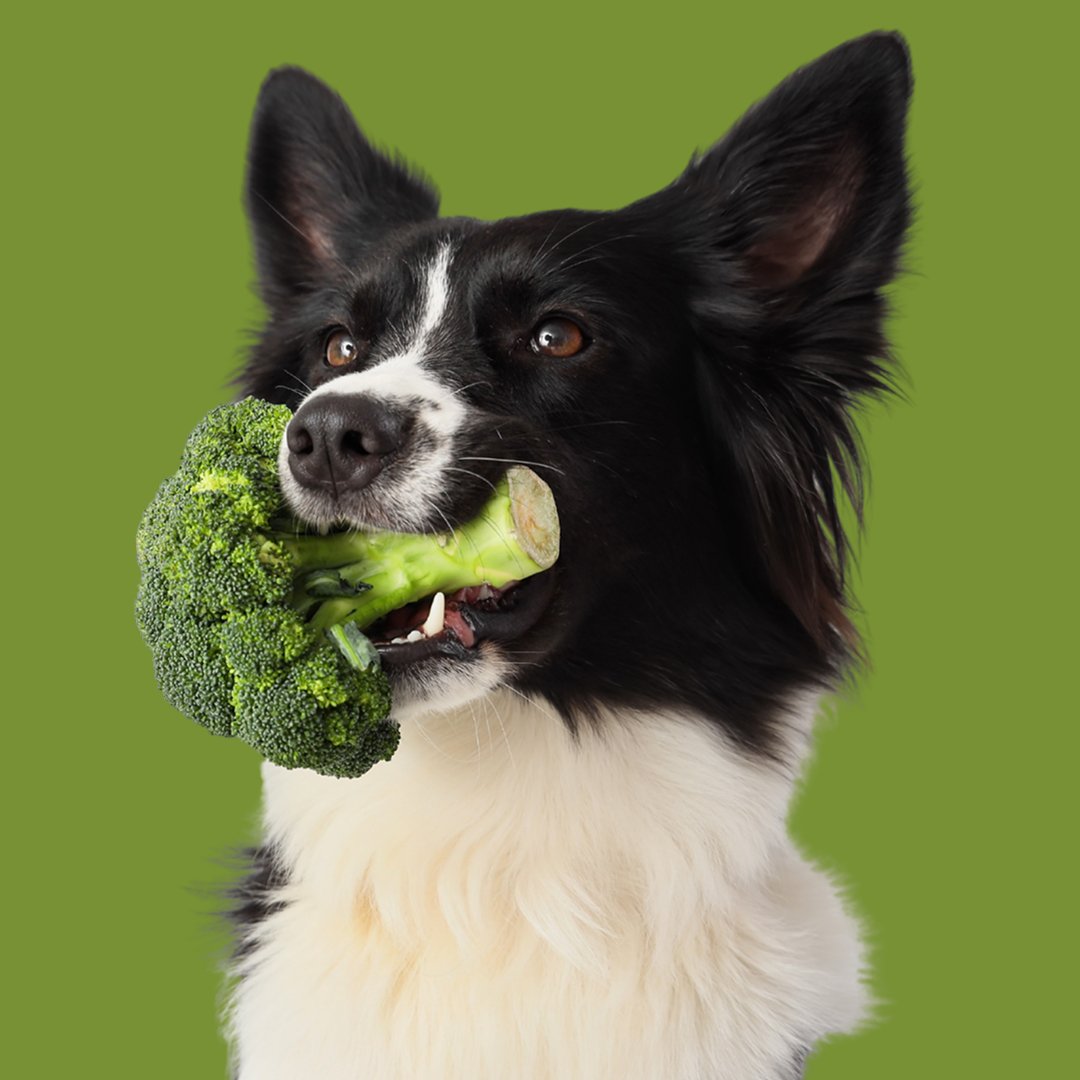
- Green - natural ingredients, organic, eco-conscious
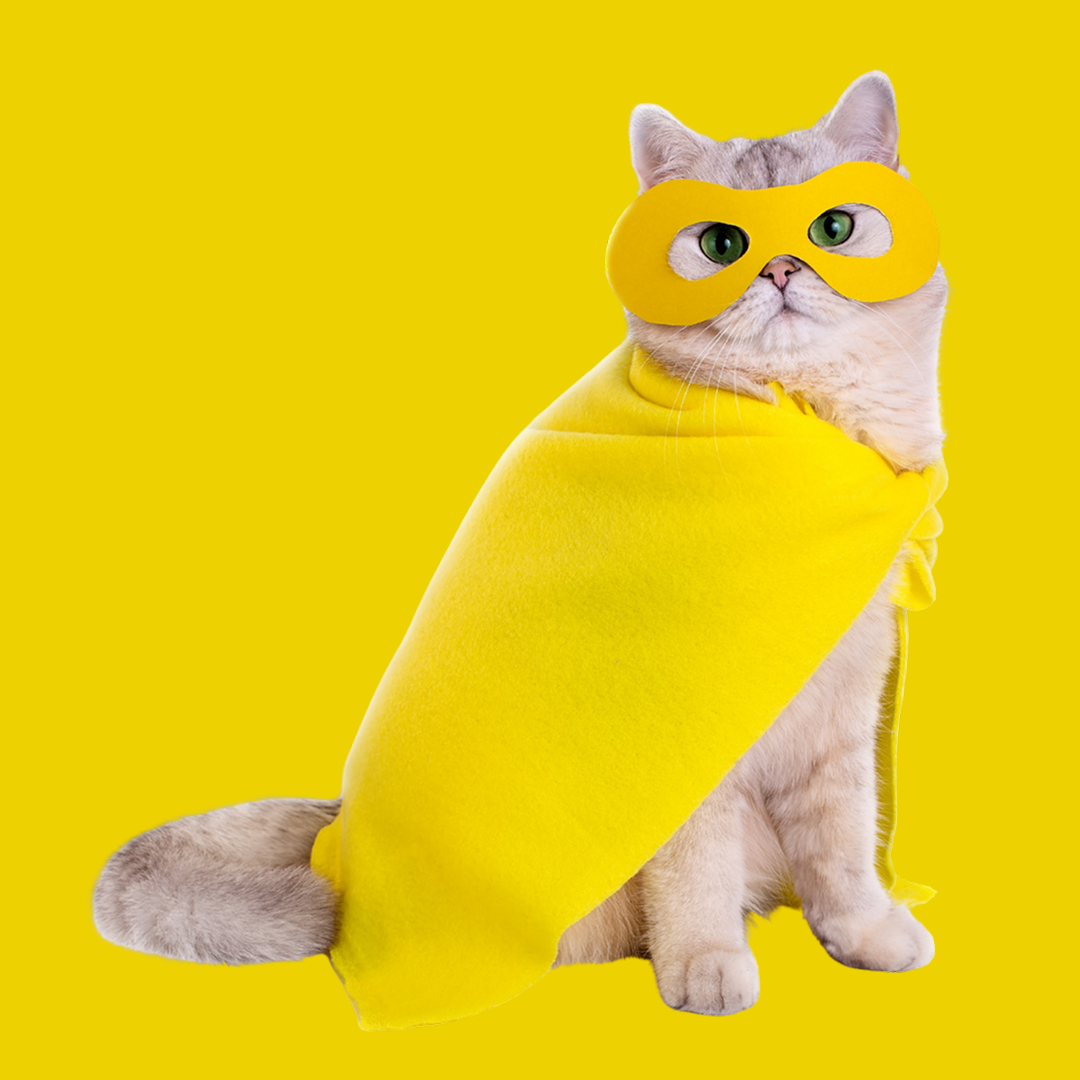
- Yellow - happiness, playfulness, warmth
- Orange - energy, fun, enthusiasm
- Brown - natural, wholesome, earthy
- Black - luxury, premium quality, exclusivity
Green and brown are solid choices for brands that want to emphasize natural ingredients and a connection to the earth. They're particularly effective for grain-free, raw, or organic pet food brands that want to signal "clean label" values without saying a word.
Orange and yellow highlight playfulness, energy, and happiness - which is exactly why you'll see them on pet treats and supplements. A bright orange treat bag is basically saying: your pet is going to lose their mind over this. And honestly? It works on us too.
And there is black… It is rarely seen on the shelves. Now, when I think about it, I don’t recollect seeing the black pet food packaging on the pet store's shelves, yet these brands exist. They’re just “special”, “high-end”, and their whole branding is mystique, available only to a small percent of pet parents, usually due to the cost. These brands tend to use the best-quality ingredients and might not be within everyone’s budget.
Nevertheless, this doesn’t mean that pet food brands with black packaging are the best quality, and the rest is mediocre! Remember, it’s just the psychology of color, so during your hunt for the best food for your four-legged companion, always make sure to read the labels!

Black Pet Food Packaging: The Luxury Tier
Black is rare on pet food shelves, and that's entirely by design. When a pet food brand chooses black packaging, they're positioning themselves in the luxury tier: exclusive, premium, a little mysterious, and definitely not priced for everyone. These brands tend to market themselves as being made from the highest-quality ingredients, often featuring single-source proteins, human-grade formulations, or exotic proteins you won't find anywhere else.
But here's the thing - and this is important - black packaging doesn't automatically mean better food. Remember, this is the psychology of color at work. A brand can dress itself up in sleek black packaging and charge a premium, while another brand in an unremarkable blue bag might have a far superior ingredient list.
How to Shop Smart: Don't Let the Packaging Win
Color psychology is a powerful marketing tool, but it shouldn't be the thing that determines what goes into your pet's bowl.
The label is where the truth lives. Ingredient lists, guaranteed analysis, AAFCO nutritional adequacy statements, protein sources - that's where you'll find the real story behind the bag. The gap between a brand's visual identity and its actual product quality can be significant, and the only way to close that gap is to read the label.
So the next time a bold red bag catches your eye or a sleek black pouch makes you reach for your wallet, take a second. Flip it over. Read what's actually inside.
Your pet doesn't care what color the bag is. They care what's in it.
Labels reveal the truth, and how much disparity there is between a branding and the quality of the product.
Frequently Asked Questions About Pet Food Branding and Color Psychology
Why do most pet food brands use red and blue? Red and blue are the most psychologically effective colors for food marketing. Red stimulates appetite and drives impulse purchases, while blue communicates trust and quality - both critical purchase drivers in the pet food category.
Does black pet food packaging mean higher quality? Not necessarily. Black packaging is a branding choice designed to signal luxury and exclusivity. While many premium pet food brands do use black packaging, the packaging color alone is not an indicator of ingredient quality. Always read the label.
What does green packaging mean on pet food? Green packaging typically signals natural, organic, or eco-conscious formulations. It's commonly used by brands that emphasize whole ingredients, grain-free recipes, or sustainable sourcing.
How does color psychology affect pet food purchasing decisions? Color psychology influences purchasing at a subconscious level - affecting perceived trust, appetite appeal, and product tier before a consumer even reads a single word on the package. Pet food brands invest heavily in color strategy because it directly impacts shelf performance.