

Alexa Kyler
Founder of Everloving Paws | Chief Human & Head of Creative
April 28, 2026
Smart Pet Tech: What Actually Works, What's Overhyped, and What I Actually Use
Pet tech gadgets - we could talk about them for years. The market is enormous, growing fast, and absolutely flooded with products that promise to make you a better pet parent. The global pet tech market was valued at $15.6 billion in 2025 and is projected to nearly triple over the next decade - so yes, everyone from consumer electronics giants to scrappy startups wants a piece of this space right now.
Source: Global Market Insights
The result? A lot of genuinely useful innovation - and a lot of very expensive gadgets that look impressive on Instagram and collect dust on your shelf by month two.
I've been through enough of both to have opinions. Here's my honest breakdown of what I actually use, what I'd recommend, and what I think is worth skipping - at least for now.
Pet Cameras: Underrated, Genuinely Useful :)
Let's start with one of the most straightforward wins in the smart pet tech world: cameras.
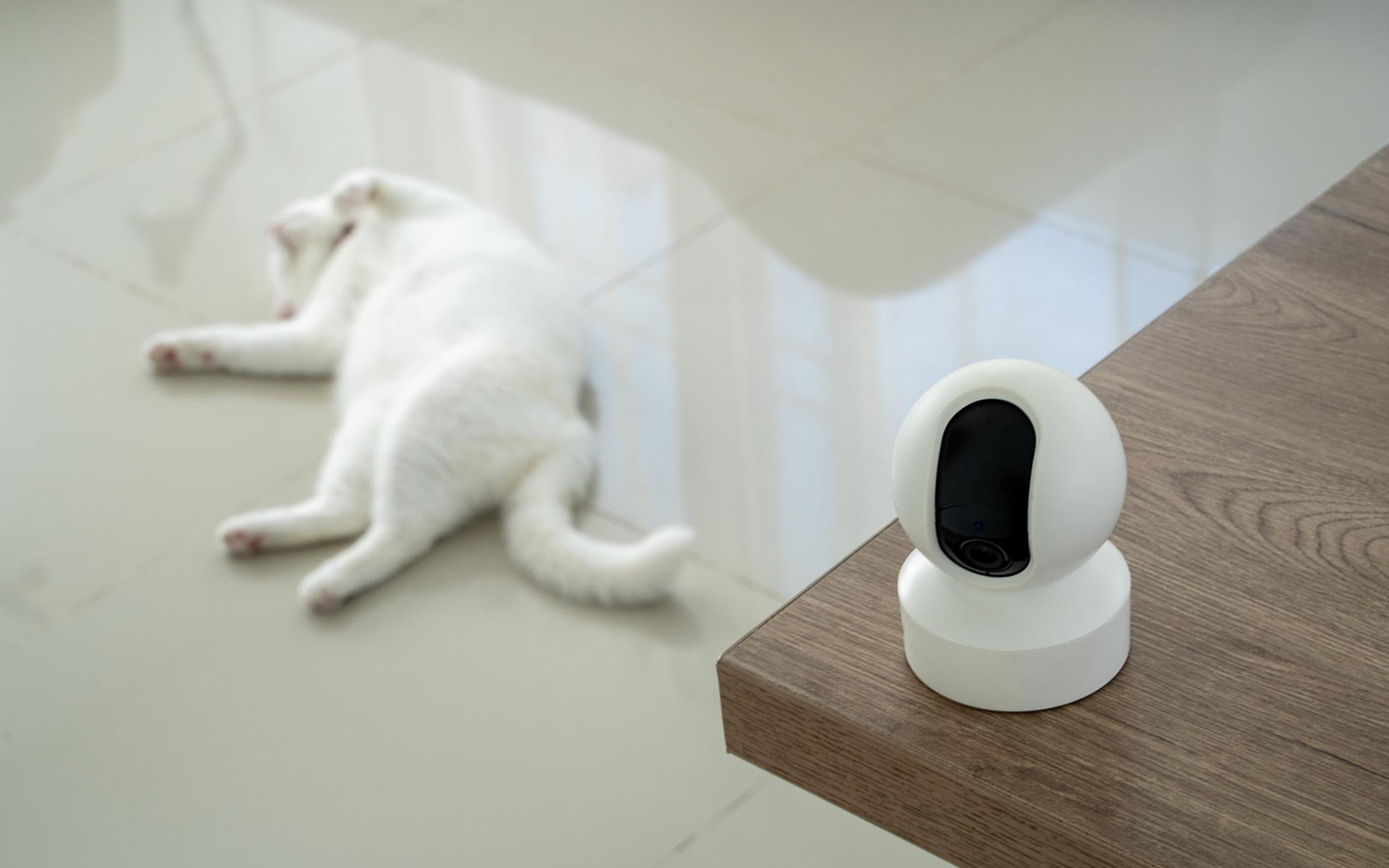
Pet cameras are one of those things that sound a little silly until you actually have them - and then you can't imagine going without. The obvious use case is just checking in on your animals while you're away, which is great. But the real value is behavioral insight.
If you have multiple pets, a camera tells you things you'd never know otherwise. Is that one cat actually bullying the others when you're not home? Are they sleeping peacefully together, or is there low-level tension happening under the surface? Are they eating each other's food? These dynamics matter, and you can only observe them if you can actually see them. A camera gives you that visibility passively, without disrupting anything.
Beyond peace of mind, it genuinely helps you understand your animals better. And for multi-pet households, especially, that information is valuable.
The Litter Robot: Let's Address the Controversy!
The Litter Robot is probably the most debated piece of cat tech out there, and I have thoughts.
A lot of cat experts will tell you to avoid automatic self-cleaning litter boxes entirely. The concerns they raise sound reasonable on the surface: you won't notice blood in the stool, you won't catch diarrhea early, and you'll miss signs that your cat is straining to urinate. These are real health concerns - any veterinarian will tell you that litter box observations are one of the most important early warning systems for feline health.
Here's the thing, though: most of these concerns come from people who have never actually used one.
Yes, it depends on the brand and the model - not all self-cleaning litter boxes are created equal. But with a quality unit like the Litter Robot, you still change the waste drawer regularly, and when you do, you can absolutely see what's in there. When a cat has diarrhea, the globe gets sticky, and the residue tells the story. You learn the patterns quickly. Most units also come with companion apps that track usage frequency and weight, which is genuinely useful data, because significant changes in litter box visits are often the first sign something is medically off.
The cleaning is the real downside, not the health monitoring. These units do require periodic deep cleans, and it's not a glamorous task. Nothing is perfect. But on balance, a quality automatic litter box gives you more consistent data about your cat's habits than a traditional box does, not less - because most people aren't manually logging litter box visits anyway.
More on this in a dedicated Litter Robot deep-dive coming soon.
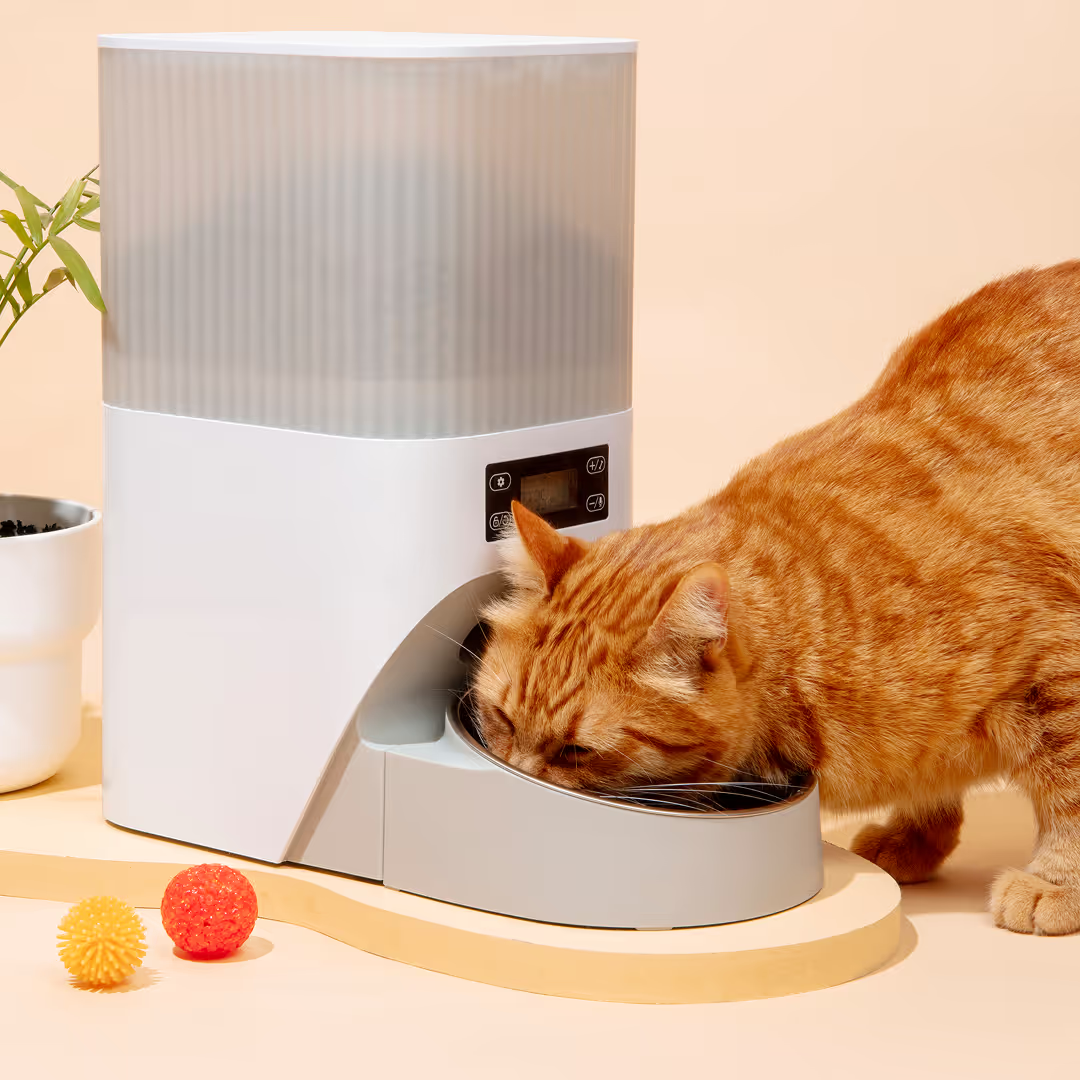
Automatic Feeders: A Practical Game-Changer for Multi-Cat Households...
I've used dry food automatic feeders, and in the right situation, they're genuinely life-changing.
Here's my specific problem: two of my larger cats would absolutely demolish an entire day's portion of dry food within an hour if it was left out - and leave nothing for the others. An automatic feeder with a timer solves this completely. Scheduled portions, enforced feeding windows, no competition. Everyone gets what they need.
That said, I use dry food feeders mainly as a backup - we leave them running when we travel, as an extra layer of support for whoever is sitting for us. Day to day, we avoid heavy dry feeding and prioritize wet food. Smart pet feeders alone were estimated at a $1.46 billion market in 2024, which tells you this isn't a niche product anymore - it's mainstream, and the options have gotten significantly better.
Source: Market Growth Reports
Wet food automatic feeders exist, too, and I haven't personally tested them yet, but they're on my radar. If you have a cat on a strict wet food diet who needs consistent meal timing, they're worth investigating.
GPS Trackers: The Right Tool, For the Right Animal...
GPS trackers are one of those categories where the technology is genuinely impressive - and where the real-world use case depends heavily on which animal you have. For dogs? Absolutely. According to the American Humane Association, approximately 10 million pets go missing every year in the United States, and for high-energy or working breeds especially, a GPS tracker is a practical safety net, not a luxury.
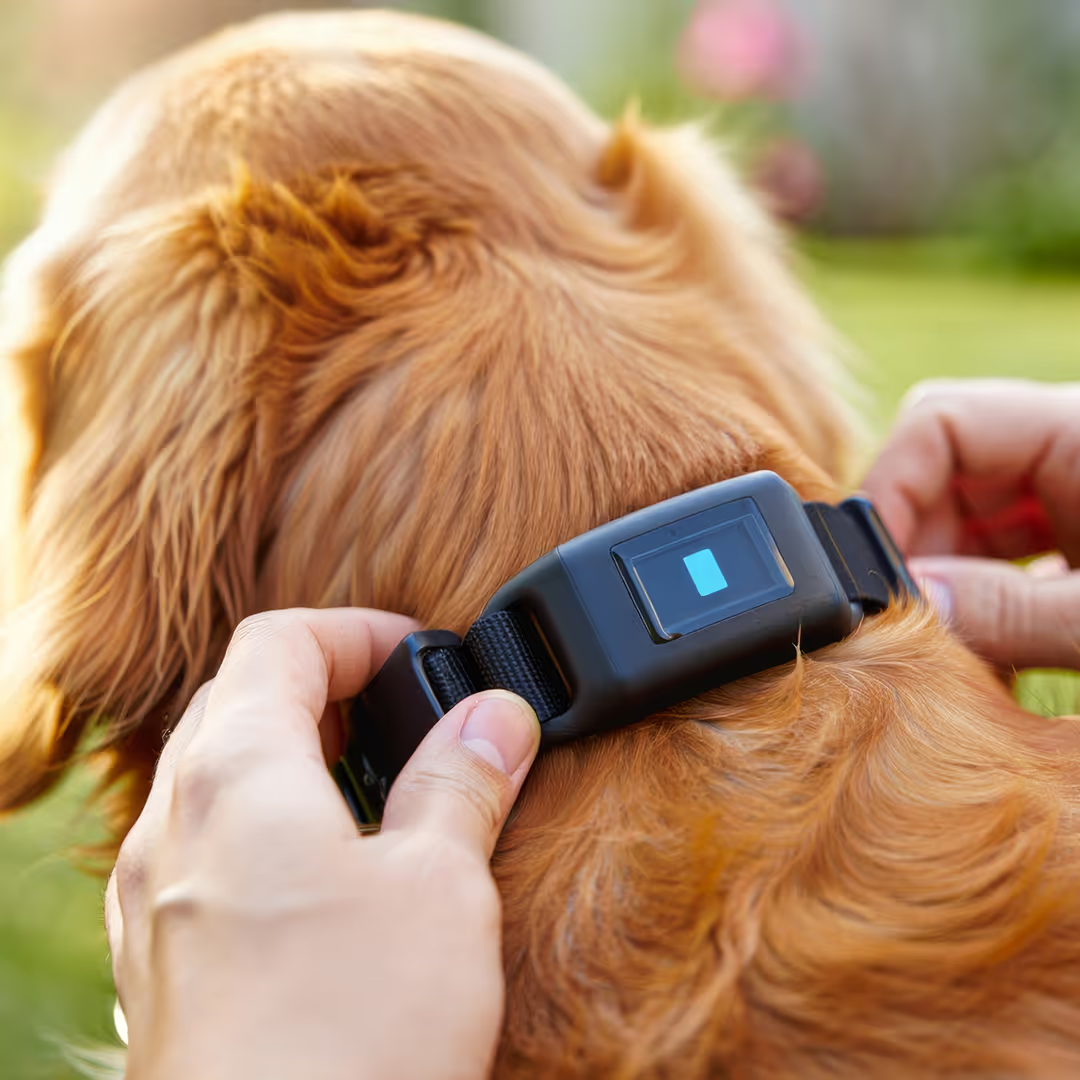
My father-in-law has a hyperactive hunting dog who occasionally decides that a scent trail is more compelling than property boundaries. A GPS tracker has been genuinely useful - he can locate the dog quickly instead of spending hours searching on foot. Devices like the Tractive GPS can pinpoint a pet's location with strong accuracy, even identifying which side of a building a pet is on, and they include geofencing alerts for when a dog leaves a designated safe zone.
Source: Tech Gear Lab
For cats, it's a different conversation. Current GPS trackers for cats primarily offer activity monitoring rather than the full suite of health metrics available for dogs, and the practical question is whether your cat spends meaningful time outdoors. For indoor cats, a GPS tracker doesn't make a lot of sense. For outdoor or indoor-outdoor cats in unfenced situations, it could matter - but the collar bulk is a real consideration for a small animal.
Source: Neowin
Over 41% of dog owners in the U.S. used a GPS-enabled collar or tracking device in 2023, which tracks with the overall trend: GPS pet tracking has moved from enthusiast territory to standard practice for dog owners.
Source: Market Grow Reports

Health Wearables and Smart Collars: The Fitbit for Your Pet
This is the category with the most exciting technology - and, honestly, the most hype.
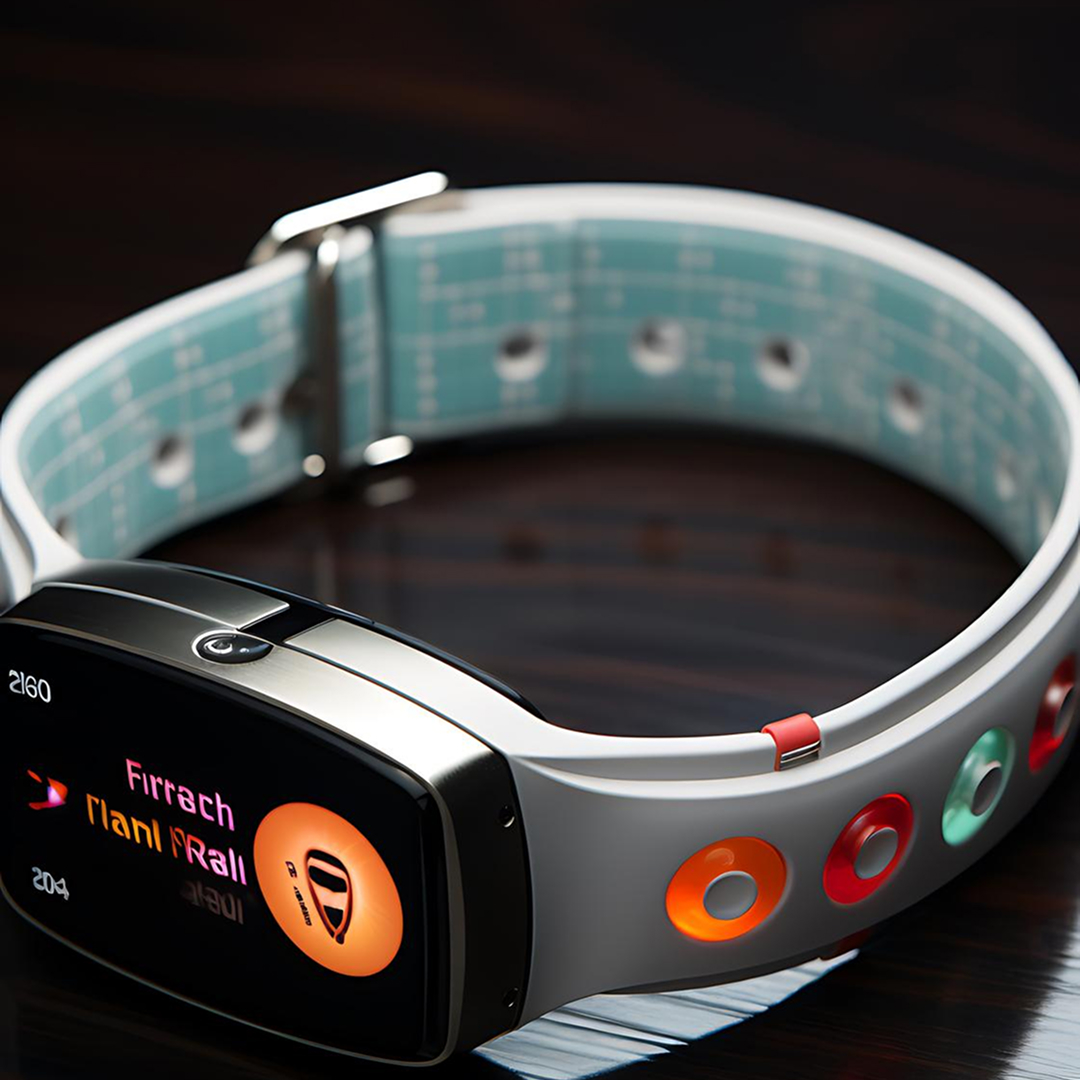
Smart collars and health wearables for pets have gotten genuinely sophisticated. Devices like FitBark, Whistle, and PetPace can track activity levels, sleep quality, calories burned, resting heart rate, respiratory rate, and, in some models, behavioral patterns like scratching and barking. More advanced models can sync with human fitness apps like Apple Health, allowing owners to track pet and owner wellness side by side.
Source: Canine Journal
The data is real and can be useful, particularly for catching subtle health changes before they become serious issues. A sudden drop in activity or a shift in sleep patterns can be an early indicator that something is off - and for senior pets especially, that kind of early signal matters.
The honest caveat is this: the value you get out of a health wearable depends entirely on how engaged you are with the data. If you're the type of person who actually looks at the app, notices trend changes, and takes that information to your vet, these devices are genuinely useful. If you're going to glance at it for a week and lose interest, you're looking at an expensive collar clip. Know yourself before you spend $100–$200 plus a monthly subscription.
What About the Hype? Gadgets Worth Skipping (For Now)
Not everything in the smart pet tech space is earning its shelf space.
Microchip pet feeders - feeders that use RFID to open only for a specific pet - sound genius in theory and work adequately in practice, but the execution is often clunky, the portions are small, and they tend to require significant patience to set up properly. If you have a food-competitive multi-pet household, they can help. But automatic feeders with timers solve the same problem more reliably for most people.
AI interactive toys - laser toys, robotic mice, treat-dispensing puzzle toys with app connectivity - are the category most likely to see exponential growth and most likely to underwhelm. The technology is improving fast, and some toys do provide genuine mental stimulation for pets left alone for long periods. But many current iterations are expensive, break easily, and create more frustration than enrichment. Worth revisiting in a year or two as the hardware catches up to the concept.
Smart water fountains - useful for hydration monitoring, not worth the premium pricing until the app integration improves meaningfully. A standard fountain does the job for most cats.
The Bottom Line: Smart Pet Tech Is Worth It - Selectively
In 2024, 74% of U.S. pet households reported using at least one smart device for their pet. So this isn't fringe behavior anymore - it's the direction the whole category is heading.
Source: Congruence Market Insights
But more gadgets don't mean better care. The devices that actually improve your pet's life are the ones that solve a real, specific problem in your household - not the ones with the most features on the spec sheet. A pet camera that tells you your cats get along just fine while you're at work? Genuinely valuable. An AI-powered bark collar that requires forty-five minutes of configuration to use? Probably not.
Buy for the problem you actually have. Read real reviews from real pet parents. And don't let the marketing do your thinking.
Frequently Asked Questions About Smart Pet Devices:
Are automatic litter boxes actually safe to use? Yes - quality self-cleaning litter boxes like the Litter Robot are safe and don't eliminate your ability to monitor your cat's health. You can still observe waste patterns when changing the drawer, and most units include app-based tracking of usage frequency and weight, which can flag health changes early.
What is the best GPS tracker for dogs? Popular and well-reviewed options include Tractive, Fi Series, and FitBark GPS. The right choice depends on your dog's size, your subscription budget, and whether you prioritize GPS accuracy, health tracking, or both. All require monthly subscription plans for full functionality.
Do smart pet feeders work for multi-pet households? Yes - timed automatic feeders are particularly useful in multi-pet households where dominant animals tend to eat more than their share. Microchip-activated feeders can take this further by restricting access by individual pet, though they require more setup and have smaller portion capacity.
Are pet health wearables worth the money? If you're actively engaged with the data and willing to bring trends to your veterinarian, yes. Devices like FitBark, Whistle, and PetPace provide meaningful health insights for dogs, especially. For cats, the technology is more limited currently. If you're unlikely to monitor the data consistently, the value drops significantly.
Do I need a GPS tracker for an indoor cat? Generally no. GPS trackers add collar bulk that isn't ideal for cats, and the location tracking function offers limited value for a cat that stays indoors. A better investment for indoor cats is a quality camera and a connected litter box with usage tracking.