

Alexa Kyler
Founder of Everloving Paws | Chief Human & Head of Creative
April 28, 2026
Why Pet Parents Are Obsessing Over Ingredient Labels - And What You Should Actually Look For
Have you ever deep-dived into pet food ingredient lists at 11 pm, comparing protein sources, questioning what "meat meal" actually means, and second-guessing every bag in your cart? If so, there's a solid chance you're a Millennial or Gen Z pet parent - and you're definitely not alone.
We simply refuse to feed our animals whatever lands on the shelf with a cute dog on the bag. That era is over.
Big Brands Are Noticing - And Sweating
Pet food brands that can substantiate the healthfulness of their claims transparently appear poised to win - because the pet humanization movement shows no signs of slowing down. In fact, consumers are reading ingredient panels, asking their vets about nutrition, and choosing brands based on sourcing transparency and clinical backing rather than marketing, which represents a fundamentally different type of consumer than what existed even five years ago.
Source: The Food Institute
The legacy brands built on fillers and vague formulations are feeling it. And good - they should.
Why Did This Shift Happen?
The cultural backdrop matters here. Previous generations largely treated pets as pets: animals with basic needs, fed basic food, no questions asked. That attitude shaped an entire industry for decades - one that prioritized cost efficiency and shelf life over nutritional integrity.
Then things changed.
Millennials and Gen Z are delaying parenthood, or skipping it entirely. The affordability crisis has reshaped what "family" looks like, and for a huge portion of younger adults, pets have filled that role. Terms like cat mom, dog dad, and pet parent aren't just internet slang - they reflect a genuine shift in how people emotionally relate to their animals. (And if you still say pet owner in 2025, you might want to rethink that. The connotations have shifted considerably.)
According to the American Pet Products Association's 2025 Dog and Cat Report, Gen Z and Millennial pet parents are driving four major trends: a rise in cat ownership, deepening bonds between dogs and their owners, increased demand for premium and functional pet food, and growing interest in proactive wellness through supplements.
Source: Pet Food Processing
There's also the broader wellness angle. These generations consume less alcohol, smoke less, and pay far more attention to what they put in their own bodies. Naturally, that same mindset gets applied to the animals they share their lives with. Consumers are trading up - seeking higher-quality, functional, and specialized nutrition for their pets. The bar has been raised, and it's not going back down.
Source: The Food Institute
.jpg)

My Own Journey With Pet Nutrition
I'll be honest - I went deep on this. When I started researching what to feed my cats, I went well beyond reading labels. I became a BARF convert: Biologically Appropriate Raw Food. I followed raw feeding recipes, tracked macros, and even bought a specialized grinder for bones. Full commitment.
Eventually, I landed somewhere more sustainable - a high-quality wet food made by a small producer with genuinely excellent ingredients, not one of the massive commercial brands. No fillers, no mystery proteins, real food. It works for my cats, and I can actually verify what's in it.
Not everyone needs to go that far, but the underlying principle is sound: know what's in your pet's food, and don't take the front of the bag at face value.
What Ingredients Actually Matter - And What to Avoid
This is the part where the label obsession pays off. Here's what to look for and what to skip.
Look for named, whole protein sources first
The first ingredient on the label should be a recognizable, named animal protein - chicken, beef, salmon, turkey, or lamb. Not "meat," not "poultry," not "animal protein." Vague protein sourcing is a red flag. Chicken is the most common whole food ingredient in commercial pet food, appearing in 68% of all products analyzed in a 2024 study of over 6,000 products. That's fine - chicken is a quality protein - but the specificity of the label is what matters.
Source: Kibblelab
Avoid meat by-products and ambiguous fillers
By-products have been a point of debate in the pet food world for years. While not all by-products are inherently harmful, the lack of transparency around what they actually contain makes them a poor choice when better options exist. Generic fillers like corn syrup, artificial preservatives (BHA, BHT, ethoxyquin), and vague grain derivatives add bulk with minimal nutritional value. If the ingredient list reads like a chemistry experiment, put it back.
Taurine is non-negotiable for cats
Cats are obligate carnivores - meaning their bodies cannot synthesize certain nutrients the way dogs or humans can, and taurine is the most critical example. Taurine is an essential amino sulfonic acid for cats, and it's found exclusively in animal-based foods - there is none in plant-based ingredients whatsoever. A cat on a plant-heavy or grain-heavy diet is at real risk of taurine deficiency, which can cause serious issues, including retinal degeneration, heart disease, and digestive problems.
Source: Solutions Pet Products
Here's where it gets more nuanced: taurine is significantly degraded by high-heat processing methods like extrusion (used for kibble) and retort sterilization (used for canned food), where temperatures can exceed 250°F - meaning the taurine levels on a label may not reflect what your cat is actually absorbing. In contrast, raw, freeze-dried, and low-temperature dehydrated foods preserve taurine far more effectively, with raw retaining essentially 100% and freeze-drying retaining over 95%.
Source: Solutions Pet Products
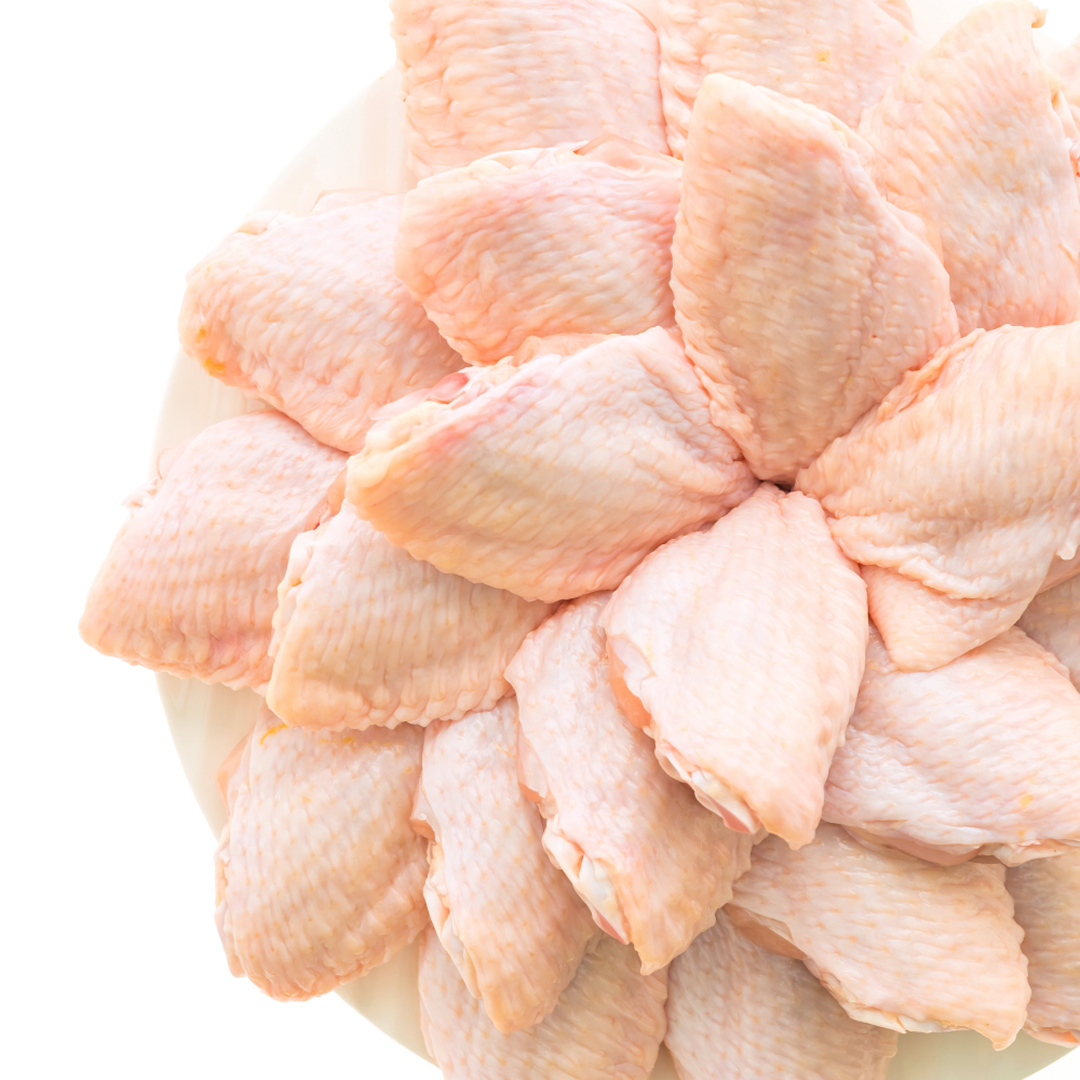
The practical takeaway: for cats, prioritize named muscle meats and organs - especially heart, which is one of the richest natural sources of taurine. Single-ingredient freeze-dried treats like chicken hearts or lamb hearts aren't just delicious to your cat, they're genuinely nutritious.
.jpg)
Dogs have different needs - and more flexibility
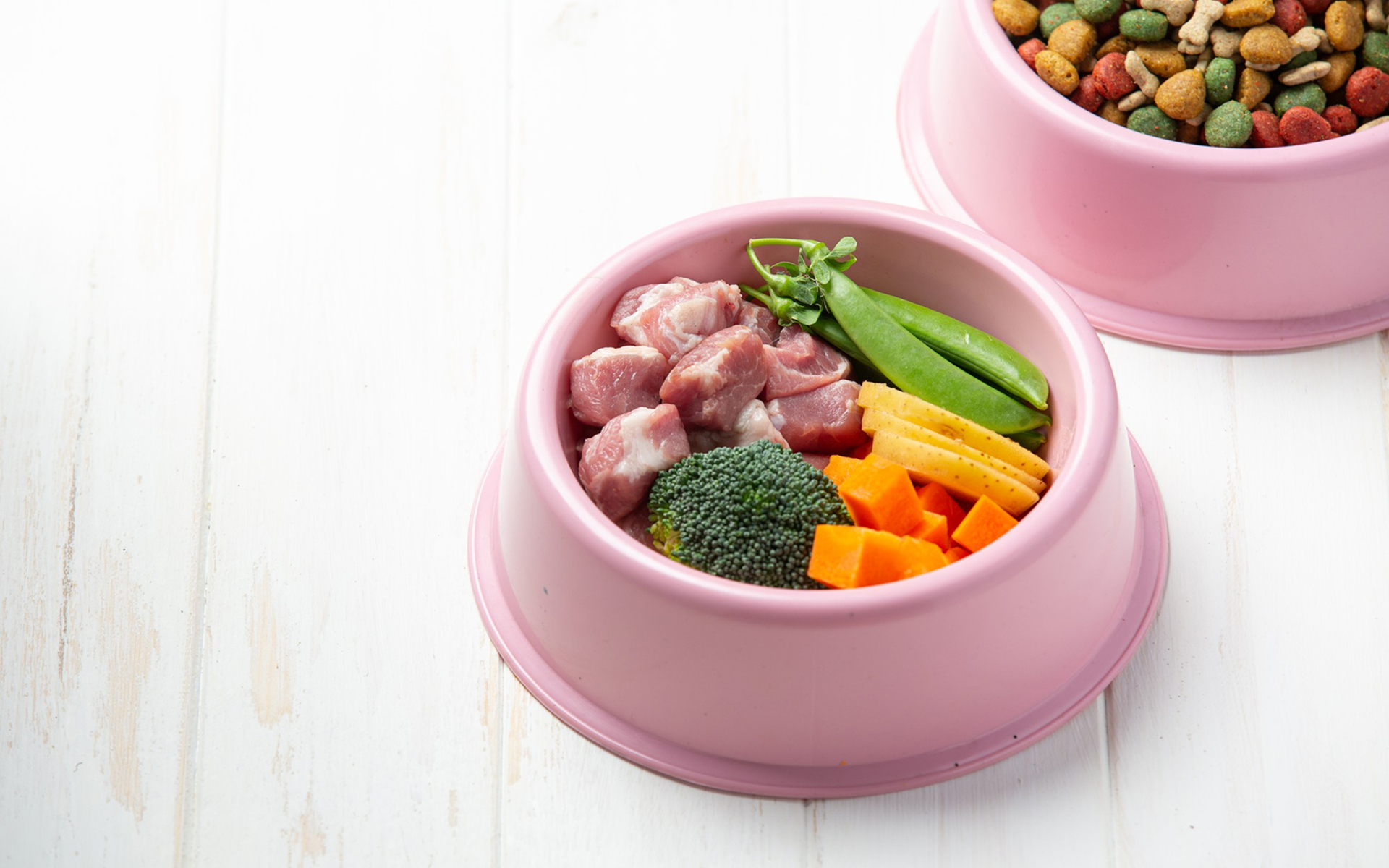
Unlike cats, dogs are omnivores and can benefit from a wider variety of ingredients. Dogs left to their own instincts would consume fruits and vegetables as part of their natural diet, which is why you'll see balanced raw diets for dogs include whole food plant matter alongside muscle meat, organs, and bone. Ingredients like blueberries, sweet potato, pumpkin, and leafy greens add antioxidants, fiber, and micronutrients that genuinely support canine health.
Source: The Pet Beastro
That said, the same rules apply to protein: named meat first, no vague "animal derivatives," no excessive grain fillers.
A note on BARF and raw feeding
Raw diets have a passionate following, and for good reason - the philosophy of feeding animals something that resembles what their bodies evolved to process makes intuitive sense. Formal evidence does exist supporting raw feeding's effects on gut microbiome composition and stool quality. That said, raw feeding done poorly - without proper nutritional balance - carries real risks. If you go the raw route, do the research or work with a pet nutritionist. An unbalanced raw diet can be worse than a mediocre commercial food.
Source: PubMed Central
Not All Big Brands Are the Enemy
Worth saying clearly: not every large commercial pet food brand is cutting corners. Demand for premium ingredients has surged significantly, with marine ingredients up 95% and meat and poultry ingredients up 34% since 2019, as manufacturers respond to growing consumer expectations. The industry is shifting, and many larger brands are genuinely reformulating to meet where the market is going.
Source: Pet Food Institute
The key, as always, is not to let the branding think for you. A sleek, premium-looking bag with nature photography and words like "wholesome" and "natural" means nothing without an ingredient list that backs it up. Read the label. Every time
Frequently Asked Questions About Pet Food Ingredients and Label Transparency
Why are Millennials and Gen Z more focused on pet food ingredients than previous generations? Younger generations apply the same health-conscious standards to their pets that they apply to themselves - scrutinizing sourcing, processing methods, and ingredient quality. Combined with the cultural shift toward viewing pets as family members rather than animals, this has created a new kind of pet parent who reads labels the same way they read nutrition panels on their own food.
What ingredients should I avoid in pet food? Avoid vague protein sources like "meat" or "animal by-products," artificial preservatives such as BHA, BHT, and ethoxyquin, corn syrup, and excessive grain fillers that add bulk without nutritional value. Always look for a specifically named animal protein as the first ingredient.
Why is taurine so important for cats? Cats cannot synthesize taurine on their own and must obtain it through their diet. Taurine deficiency can cause dilated cardiomyopathy, retinal degeneration, and reproductive issues. Because heat processing destroys a significant portion of naturally occurring taurine, minimally processed and raw diets tend to provide more bioavailable taurine than heavily processed kibble.
Is raw or BARF feeding safe for cats and dogs? Raw feeding can be nutritionally beneficial when done correctly and with properly balanced formulations. The risks come from incomplete nutritional profiles and potential bacterial contamination. If you're interested in raw feeding, consult a veterinary nutritionist and choose commercially prepared raw diets that meet AAFCO nutritional standards, or follow a well-researched recipe.
What does "complete and balanced" mean on a pet food label? "Complete and balanced" means the food meets the minimum nutritional requirements established by AAFCO (the Association of American Feed Control Officials) for the stated life stage. It's a meaningful baseline - but it's a floor, not a ceiling. Meeting the minimum doesn't mean the food is high quality.